
As a farm machinery service technician with more than a decade of field experience, I often share practical insights about tractor tires because tire condition directly affects how a tractor performs during long working hours. Early in my career, I worked on a wheat farm where the operator complained that the tractor felt slower during plowing even after engine servicing. When I inspected the machine, the rear tire lugs had rounded edges from years of mostly traveling between storage yard paths and cultivated fields.
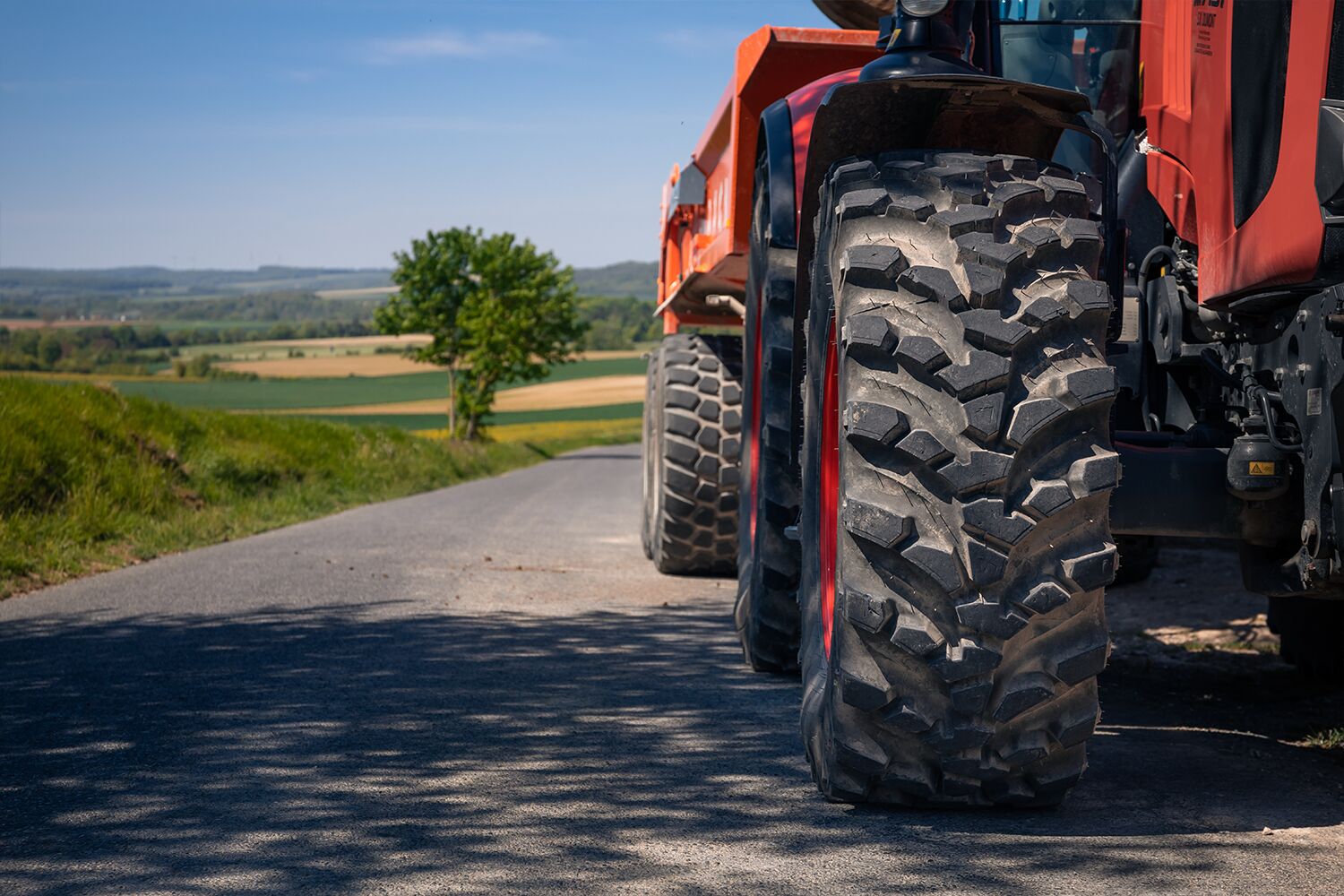
Soil moisture and surface texture are two factors I always check first. I remember servicing a mixed crop farm tractor that worked during early mornings when the soil still held overnight humidity. The tractor sometimes lost slight traction while pulling a loaded fertilizer spreader uphill across soft ground. The tread pattern was still visible, but the rubber edges had worn down enough to reduce biting force into the soil. Replacing the tires before the next planting cycle helped restore stable pulling strength, and the operator told me the machine felt more responsive during damp-field work.
Many equipment owners assume that deeper agricultural tread automatically means better performance. I have seen this mistake more than once. A customer last spring brought an orchard tractor fitted with extremely aggressive deep-lug tires because he believed maximum grip would help hillside movement. The tractor worked well inside soft soil sections, but it spent nearly half its operating time traveling across gravel access roads inside the farm. Those sharp lugs started wearing faster on hard surfaces and also threw small stones toward the lower chassis during movement. After suggesting a balanced tread design, the operator noticed smoother transport motion and slower outer shoulder wear.
Pressure balance is another maintenance detail that is often ignored. During one livestock farm inspection, I found a tractor that drifted slightly to the right while moving slowly near the feeding area. The steering system was functioning normally, and there were no hydraulic problems. The real cause was a small inflation difference between the two rear tires because one tire had been replaced recently without matching pressure calibration. Once we corrected the pressure level and taught the crew to check inflation every couple of weeks during active working seasons, the tractor required less steering correction and felt easier to control during long feeding rounds.
Wide tire upgrades are usually made with the expectation that they automatically improve stability. One hillside pasture operator spent several thousand dollars installing a wider rear tire set because he wanted more confidence while working on sloped grazing land. The tractor did feel more stable during straight uphill travel, but the operator later mentioned that turning inside narrow barnyard entryways required slightly more steering effort. That case reinforced my belief that tire width should be chosen based on actual movement patterns rather than visual strength alone.
Storage conditions also influence rubber durability. I once worked on a harvesting tractor that stayed parked on a hard concrete workshop floor for almost four winter months. When the next work season started, the operator noticed vibration during the first few operating days. The tires had developed small flat contact zones due to constant static compression. Since then, I recommend moving stored tractors slightly every few weeks or placing machines on surfaces that reduce long-term pressure concentration.
Fuel efficiency complaints sometimes lead directly to tire inspection. A mid-sized plowing operation reported increased diesel consumption even though workload and field size had not changed. After checking the equipment, I discovered the front tires were slightly underinflated, which increased rolling resistance against soil surface friction. Restoring proper pressure made the tractor feel lighter during repeated plowing passes, and the operator noticed smoother movement across long field rows.
From my professional experience maintaining agricultural machinery, tractor tires should be treated as active performance components rather than simple replacement items. Paying attention to tread condition, pressure balance, and terrain compatibility helps prevent many traction problems before they become costly repairs. Operators who maintain their tires carefully usually spend less time dealing with field breakdowns and more time focusing on productive work.